
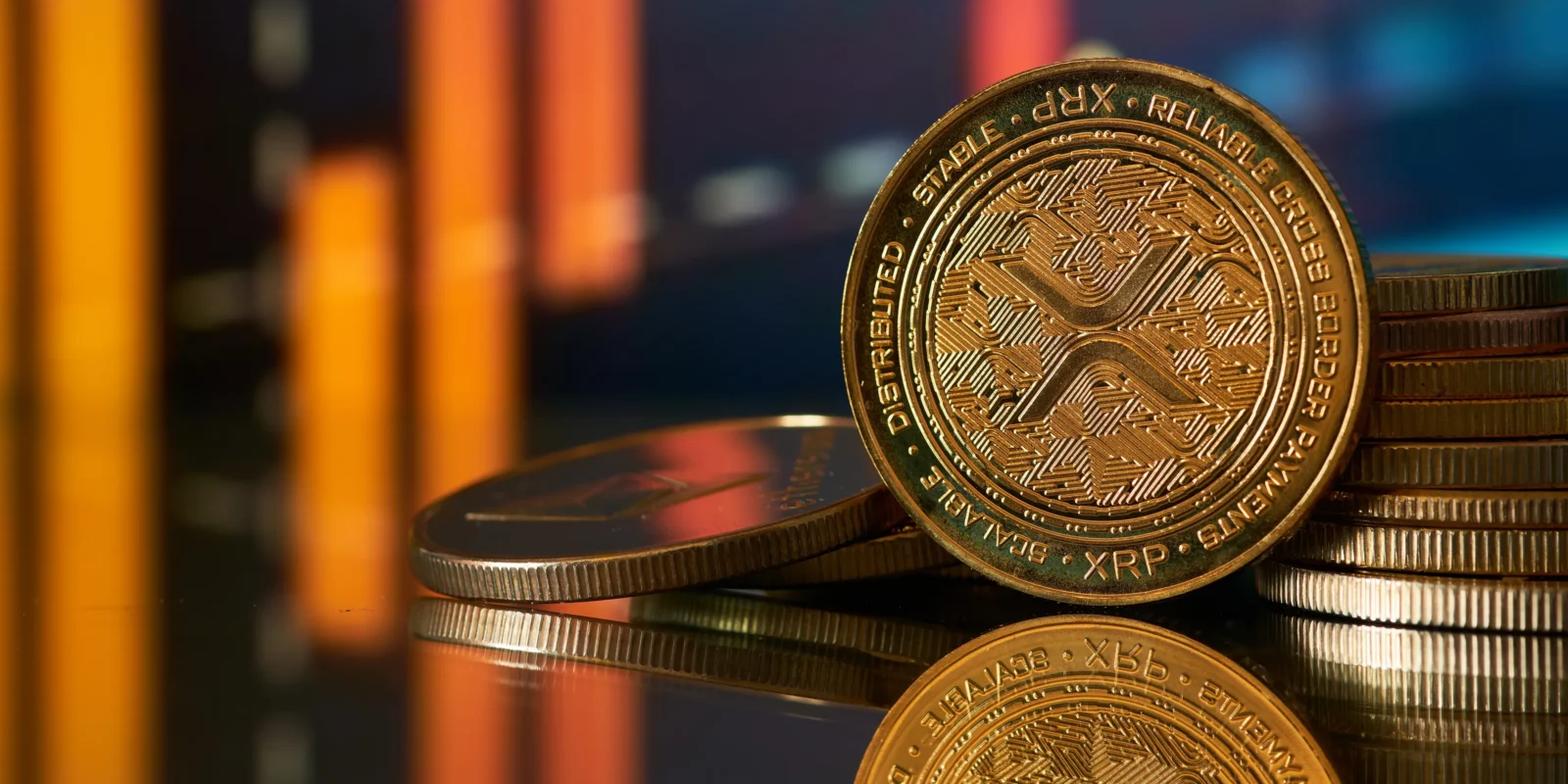
For those entering the world of XRP for the first time, the live conversion rate to US dollars is usually the first thing they seek out. It seems like the most logical starting point, offering a quick snapshot of an asset’s current value. However, relying solely on that single number can be misleading. A real-time price is essentially one frame from a much longer movie, capturing a fleeting second of activity without revealing the underlying momentum or the invisible forces shaping where the price might go next. To truly understand the value of XRP, one must look past the ticker and consider liquidity, market sentiment, and broader economic conditions.
Because cryptocurrency markets operate around the clock, prices exist in a state of constant reaction. Every buy and sell order leaves a mark, and in thinner markets, a single large trade can swing the rate noticeably. This is why market depth and liquidity are so critical; they determine how much trading activity is required to move the needle. Experienced traders know that looking at hourly charts helps identify short term noise, but zooming out to daily or weekly views reveals whether a movement is a random spike or part of a sustained trend.
Beyond internal market mechanics, XRP does not move in a vacuum. Digital assets are frequently swayed by collective investor sentiment and external catalysts. Regulatory developments remain among the most powerful drivers, as news regarding legal frameworks or government policy can trigger immediate volatility. Similarly, macroeconomic trends play a significant role; during times of global financial uncertainty, investors may retreat from high risk assets altogether or, conversely, flock to cryptocurrencies as an alternative store of value.
In practical terms, the XRP to USD rate serves as more than just a metric for speculators_it is a functional tool for businesses and freelancers handling international payments. Yet there remains a distinct difference between seeing a quoted rate on a screen and actually executing a trade at that price. Factors like slippage can create gaps between expected and actual costs, especially during periods of extreme volatility when liquidity dries up. Ultimately, while the live conversion rate is a helpful reference point, it is only one piece of a complex puzzle involving volume, regulation, and global psychology.